Jason Lerman
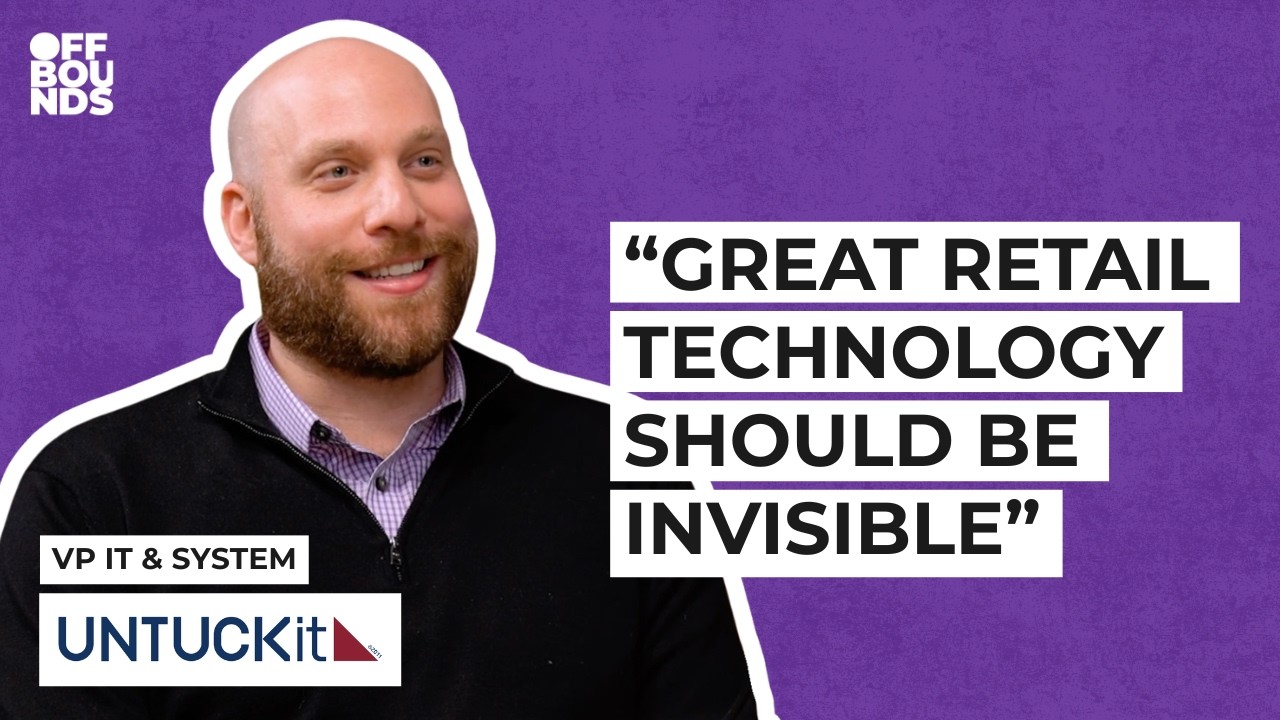
VP of IT and Systems
UNTUCKit
Also available as audio
The 'best in breed' approach to retail tech stacks often creates hidden operational debt: when a single change request triggers a spider web of dependencies and blockers across disconnected systems, you've lost the ability to execute. Evaluate vendors not on individual capability but on integration friction and your team's capacity to manage escalating complexity.
Legacy technology accumulates faster than most retailers account for; systems must be kept current with emerging technology and business needs, not just kept running. Budget and staff planning should reflect ongoing modernization as a core cost, not a discretionary project.
Operational visibility into customer friction points—failed image loads, checkout breaks, returns processing delays—reveals where your stack is actually failing. CMOs should insist that success metrics for any tech implementation are defined upfront by the business impact they must deliver, not by vendor specifications or go-live dates.
Conversation 110
When you are trying to do something and the meeting to figure out how you're going to get it done turns into, well, we can't do it because of this, and we can't do it because of this, and this is going to block it, and we have to consider this. And when the whole conversation turns into that spider web and then you don't even know where you started, that's, I think, when you realize you've just hit Frankenstein stack 100%. We were talking about this — the buzzword that was being used all the time, you know, a couple of years ago, was best in breed.
Jason Lerman, From “Best in Breed” to Frankenstein Stack: The Reality of Retail Technology at UNTUCKit
Jason Lerman
OFFBounds Source · 110VP of IT and Systems · UNTUCKit