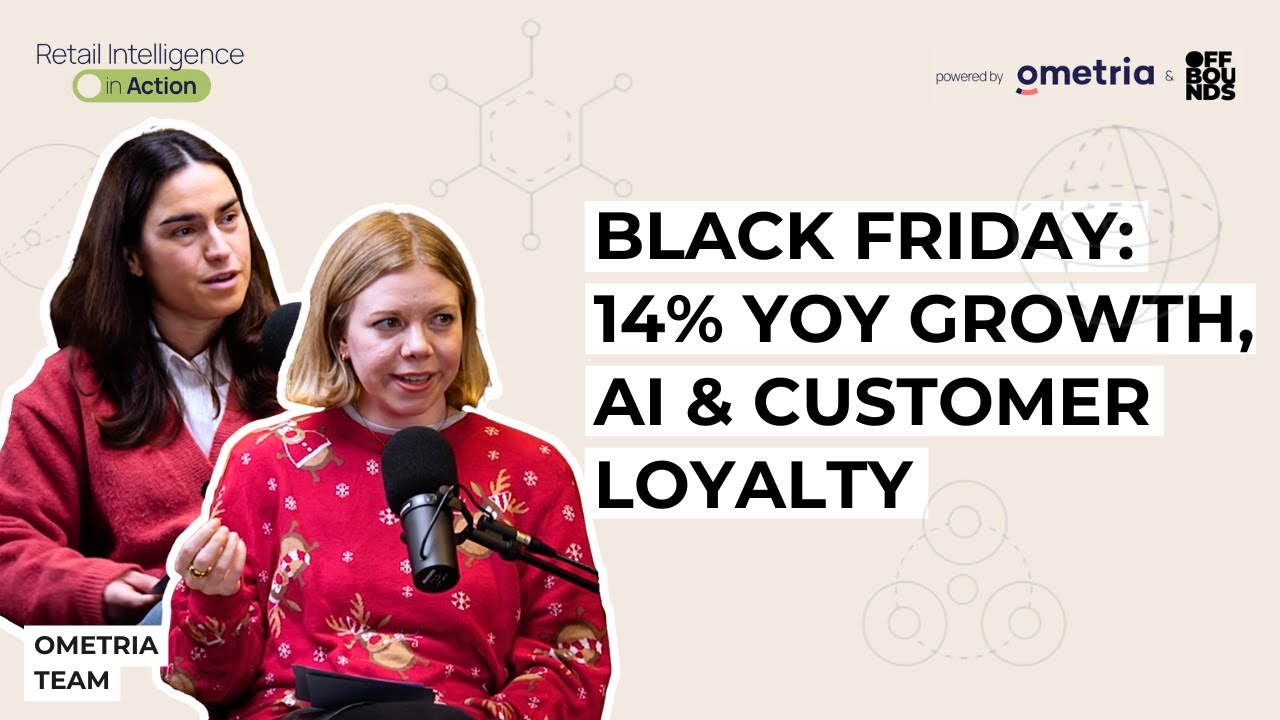
Black Friday Performance Data Explained. What Actually Drove Growth This Year
Also available as audio
Message volume increased 20% year-over-year across email, SMS, and push—suggesting retailers are competing harder for attention during peak periods. The growth in 15% revenue despite channel saturation indicates that timing and earlier campaign starts, not just volume, are driving incremental returns.
Brands shifted to earlier campaign deployment during Black Friday windows, signaling a strategic move to capture demand before peak traffic days. This timing advantage likely contributed to across-the-board gains in orders, AOV, and basket size rather than discounting alone.
All three performance metrics—orders, average order value, and basket size—grew together in the 15% revenue increase, suggesting coordinated merchandising and messaging rather than isolated promotional tactics. This alignment indicates maturity in how brands orchestrated their Black Friday campaigns.
Conversation 98
But that's the data I have to say about it. (H) The data backs up what happened in your inbox. Yeah, so across email, SMS, push notifications, we saw retailers sending 20% more messages than last year. So yeah, I think another big shift was that brands were starting to send more emails and SMS and push notifications earlier on in the period as well.
Hannah Stacey, Black Friday Performance Data Explained. What Actually Drove Growth This Year
Black Friday Performance Data Explained. What Actually Drove Growth This Year
OFFBounds Source · 98·